
What Makes Garbage Disposal Smells Worse as Time Passes in Langley Homes
Garbage disposals are a convenient feature in many Langley homes, helping to quickly and efficiently manage food waste. However, a common issue homeowners face is unpleasant odors emanating from the disposal unit. These smells often start mildly but tend to worsen over time if not addressed properly.
Understanding the causes of these odors is crucial for maintaining a clean and functional garbage disposal. By identifying the sources of bad smells, homeowners can take effective steps to prevent buildup and avoid more serious problems, such as clogs or mechanical failures. Keeping your disposal fresh contributes to a healthier kitchen environment and prolongs the life of the appliance.
Primary Causes of Garbage Disposal Odors
Food Residue Buildup
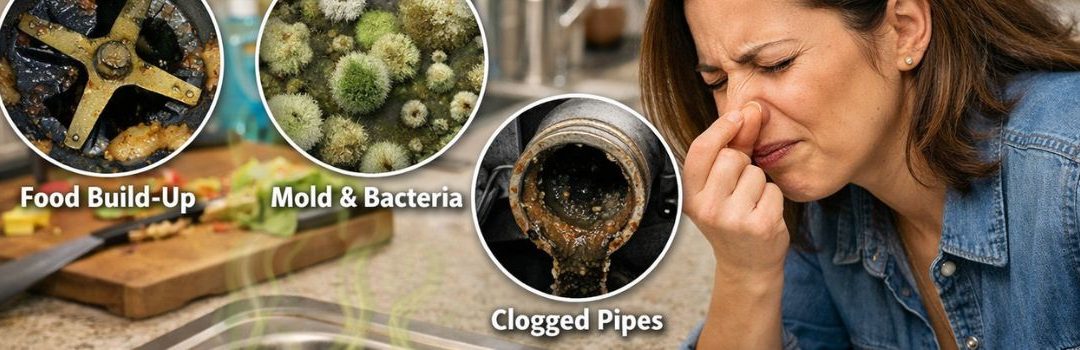
Small food particles can easily get trapped inside the grinding chamber and pipes of a garbage disposal. Over time, these trapped particles begin to decompose due to microbial activity, producing unpleasant odors. Common culprits include fibrous vegetables, coffee grounds, eggshells, and starchy foods, all of which tend to cling to surfaces and resist being fully washed away. Regular maintenance and diy solutions for smelly garbage disposals can help reduce this buildup and keep odors under control.
Grease, Fat, and Oil Accumulation
Fats, oils, and grease (often called FOG) can have a significant impact on garbage disposal performance and smell. These substances tend to stick to the disposal’s components, creating a sticky buildup that traps more food particles. As grease solidifies, it forms a layer that worsens odors and makes the disposal harder to clean effectively.
Bacterial and Mold Growth
The warm, moist environment inside a garbage disposal is ideal for bacteria and mold growth. Various bacteria, including anaerobic types, thrive in this setting and produce foul-smelling compounds such as sulfur and ammonia. As bacterial colonies multiply and mature, their odor intensifies, contributing significantly to persistent smells.
Dirty Rubber Splash Guard
The rubber splash guard serves to protect users from splashing water and food debris. However, it also traps grime, food particles, and biofilm over time. If not cleaned regularly, this buildup on the splash guard becomes a strong source of persistent odors, as the trapped organic matter decomposes.
Mechanical Issues and Internal Buildup
Mechanical problems such as faulty blades or motor wear can lead to inefficient grinding and residue stagnation inside the disposal. This inefficiency allows food debris to remain longer, increasing odor production. Persistent mechanical issues may require professional inspection or replacement to prevent worsening smells and ensure proper function.
Why Odors Intensify Over Time
Garbage disposal odors tend to worsen over time due to several interconnected factors. First, food particles and grease progressively accumulate inside the disposal unit when it is not cleaned properly. This buildup creates an ideal environment for odors to develop and persist.
As these residues remain trapped, bacterial colonies begin to grow and mature. The bacteria break down the organic material, releasing foul-smelling compounds that increase the overall odor potency.
Additionally, the splash guard and internal seals of the disposal can deteriorate with regular use. When these components weaken, they no longer contain odors effectively, allowing unpleasant smells to escape into the kitchen.
Mechanical wear also plays a role. Over time, the grinding components lose efficiency, meaning food waste is not processed as thoroughly. This leads to more residue remaining inside the unit, further contributing to odor buildup.
Together, these factors cause garbage disposal smells to intensify if the unit is not properly maintained.
Comprehensive Prevention and Maintenance Strategies
Regular Cleaning Practices
To keep your garbage disposal smelling fresh, it’s essential to clean both the splash guard and the grinding chamber regularly. Start by lifting the splash guard and scrubbing it with a brush and warm, soapy water to remove trapped food particles. Next, clean the grinding chamber by pouring a mixture of baking soda and vinegar into the disposal. Let it fizz for a few minutes before rinsing thoroughly with hot water. This natural remedy helps neutralize odors and break down buildup. You can also use specialized disposal cleaning agents designed to eliminate grime and odors effectively.
Proper Usage Habits
Preventing bad smells begins with how you use your garbage disposal. Never pour grease, fats, or oils down the disposal, as these substances coat the blades and pipes, leading to foul odors over time. Always run cold water while the disposal is in use and keep it running for a few seconds afterward. Cold water helps solidify any grease, making it easier to chop up and flush away particles. Avoid putting fibrous materials like celery stalks, starchy foods such as potato peels, or large food scraps into the disposal, as these can clog the system and trap odors.
Periodic Professional Inspection and Maintenance
Even with good habits, scheduling routine professional inspections is important. A plumber can check for mechanical issues like worn seals or leaks that contribute to persistent smells and address them promptly. If your disposal is frequently causing odors or showing signs of trouble, a professional may recommend repair or replacement to prevent further odor escalation and ensure efficient operation.
Additional Tips for Odor Control
To keep your garbage disposal smelling fresh, consider using disposal deodorizing tablets or natural fresheners. These products help neutralize odors and maintain a clean scent in your kitchen.
Another effective method is flushing the disposal with ice cubes and citrus peels. The ice helps clean the blades by dislodging food particles, while the citrus peels release a natural, pleasant fragrance that freshens the smell.
Lastly, ensure proper ventilation in your kitchen area. Good airflow helps dissipate lingering odors and prevents them from accumulating, contributing to a fresher environment overall.
Conclusion
The worsening of garbage disposal odors in Langley homes is due to a combination of factors, including the buildup of food debris, bacterial growth, and improper usage. Over time, these issues can intensify if not addressed properly, leading to persistent and unpleasant smells.
To prevent these odors, homeowners should focus on regular maintenance such as cleaning the disposal thoroughly and avoiding putting inappropriate items down the drain. Mindful usage, like running cold water during operation and grinding small amounts of waste, also helps reduce odor buildup. When problems persist, seeking timely professional care ensures that any underlying issues are resolved before the smell becomes overwhelming.
By understanding and addressing these multiple causes, Langley residents can keep their garbage disposals running clean and odor-free.

LET’S CONNECT
OPEN HOURS
Mon-Fri: 8AM-6PM
Saturday: 10AM-6PM
Sunday: 10AM-6PM
QUICK LINKS:
LET’S CONNECT
(778) 600-1787
service@langleyappliancesrepair.ca
OPEN HOURS
Mon-Fri: 8AM-6PM
Saturday: 10AM-6PM
Sunday: 10AM-6PM
QUICK LINKS:
© 2025 Langley Appliances Repair All Rights Reserved | Privacy Policy | Sitemap